how long does it take to learn an app
there's no honest number of hours. the real question is how long you stay stuck - and that depends on the app, and on whether help arrives while you're doing the thing.
by Timur Latipov · · 6 min read
the short version
There's no honest answer in hours, and anyone selling you "learn X in 30 days" knows it. What people mean by "how long" is how long they'll feel stuck, and that varies a lot by app: Canva takes about an hour, Photoshop weeks to months, Figma three to six months to get comfortable, and Blender three to six months just for the basics and one to two years for real mastery.
But hours are the wrong number to chase. Across every app studied, people get stuck in the same place - not at the start, but after they can already make something, when they're trying to get to something repeatable. What shortens that stretch isn't more hours of video; it's help that arrives while you're doing the work, on your own file.
"How long does it take to learn Figma?" is one of the most-searched questions about every creative app, and every answer you'll find is either a made-up number or an honest "it depends" dressed up as one. Here's the honest version, and why the number you're looking for isn't the useful one.
why "X hours" is a made-up number
A course that says "learn Premiere in 20 hours" picked 20 because that's how long the course is, not because that's how long learning takes. The length is a packaging decision. The apps that publish real figures publish curricula, not learning times: Adobe's own certification for Photoshop or Premiere recommends around 150 hours of study, and its Illustrator path runs 22 weeks - and those measure the time to pass a test, which isn't the same as being able to do your own work.
the honest ranges
With that caveat, here's roughly where people land, from the vendors' own curricula and the research on each app:
- Canva: about an hour. It's built so a non-designer is productive almost immediately.
- Photoshop: weeks to months. Broad but relatively shallow at the start; Adobe's cert recommends ~150 hours.
- Figma: three to six months to get comfortable. Its one real wall is auto layout, and most of its users are professionals from other jobs learning it part-time.
- Premiere Pro: three to six months to competence, a year or more to professional - with named walls at proxy workflows, Lumetri colour, and audio ducking.
- Blender: three to six months for the basics, one to two years for mastery, across ten separate sub-skills with no set order.
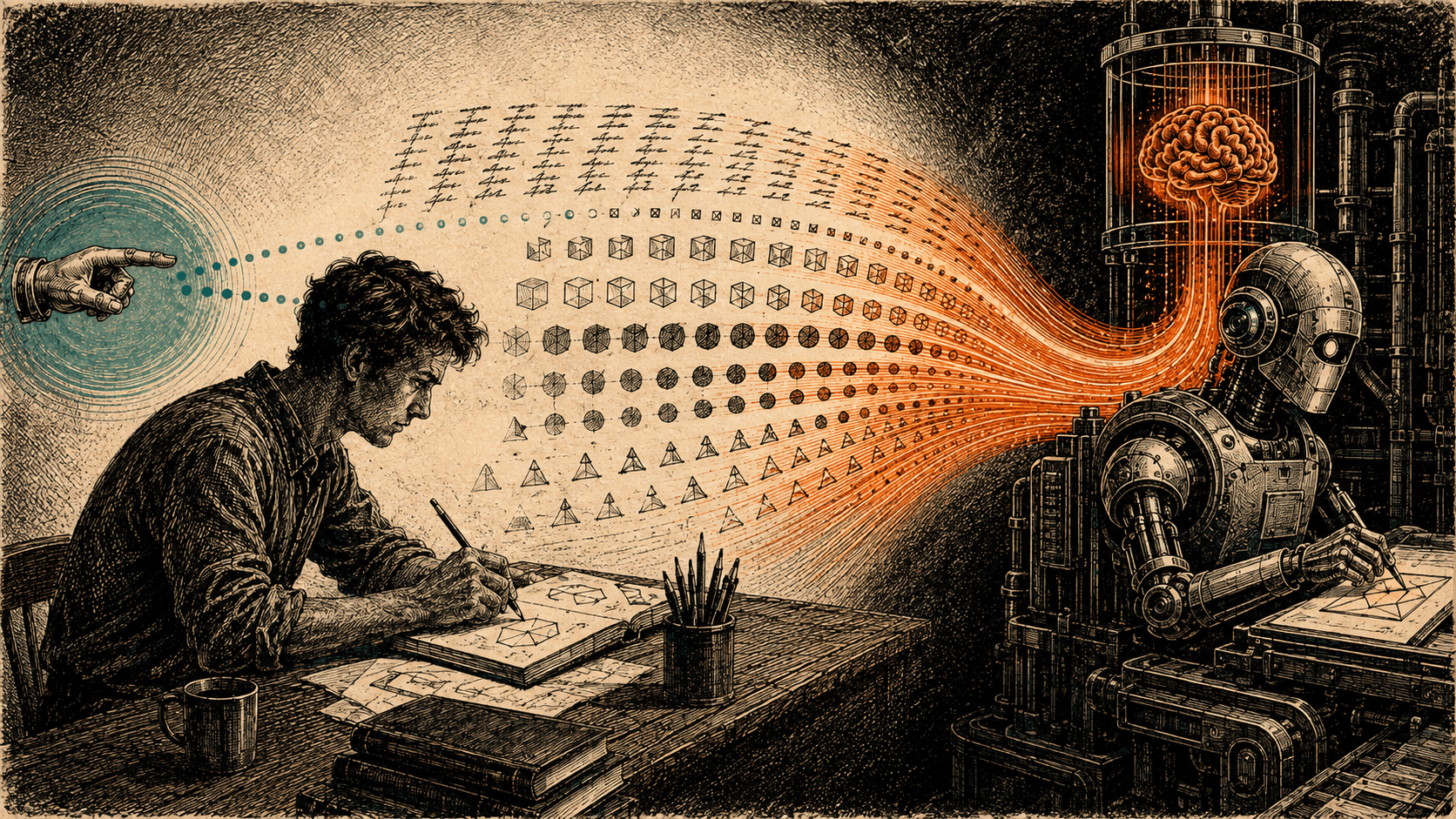
Notice these are less "how hard is it" numbers than "how much separate stuff is hidden in here" numbers. Blender is long because it's ten crafts in a trench coat - modelling, sculpting, shading, animation, and the rest - not because any one part is impossibly hard.
the wall almost everyone hits
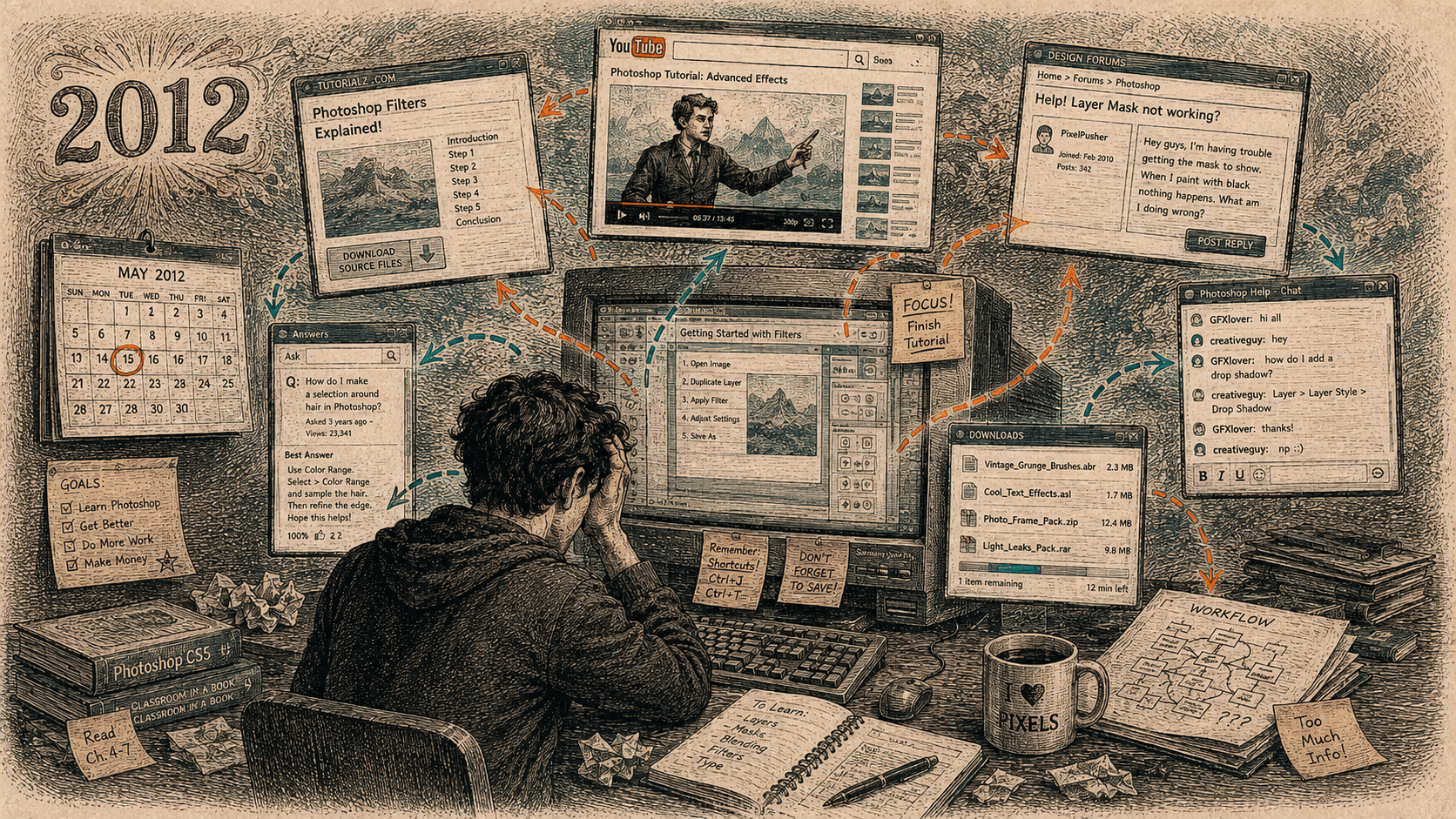
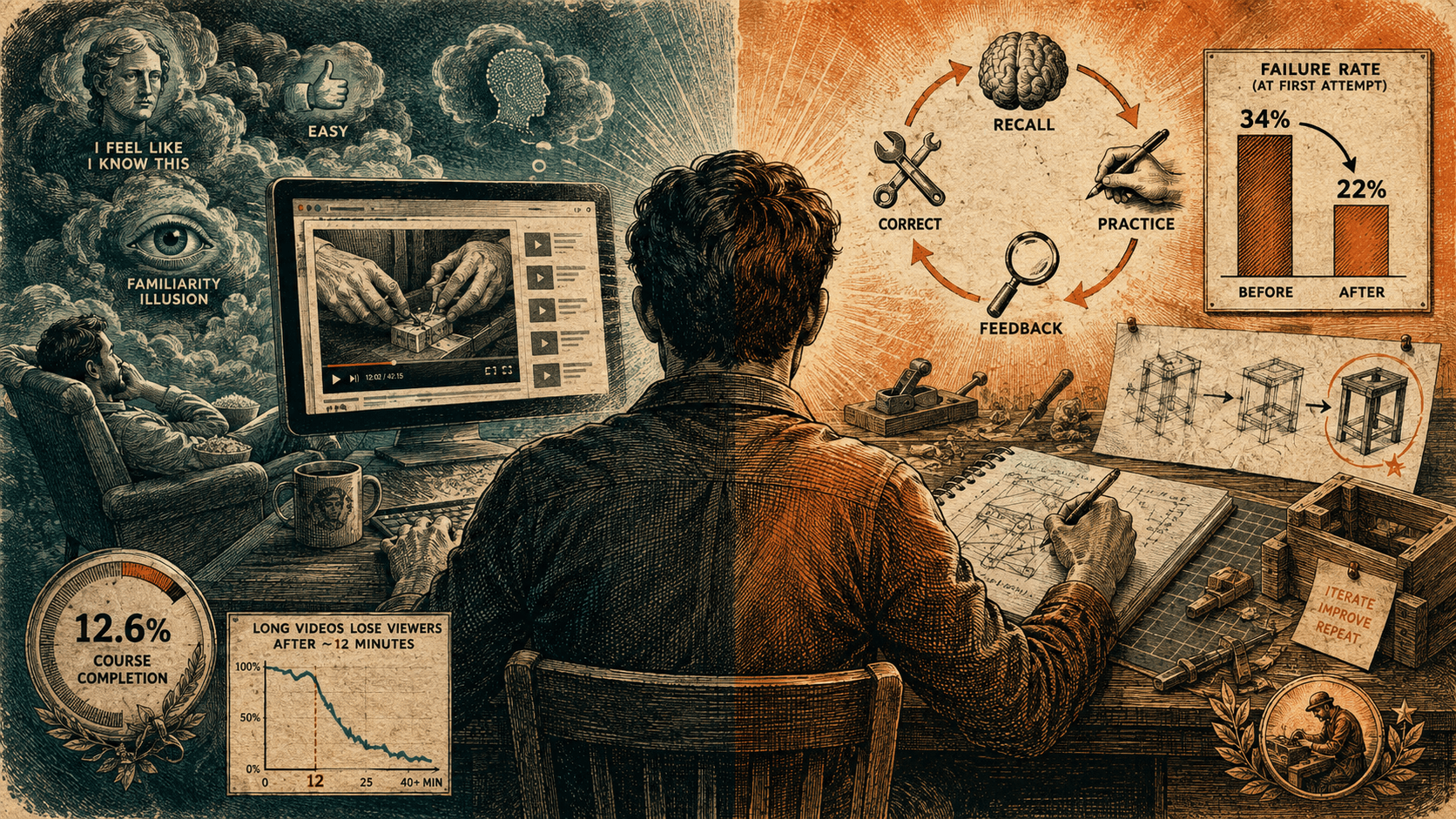
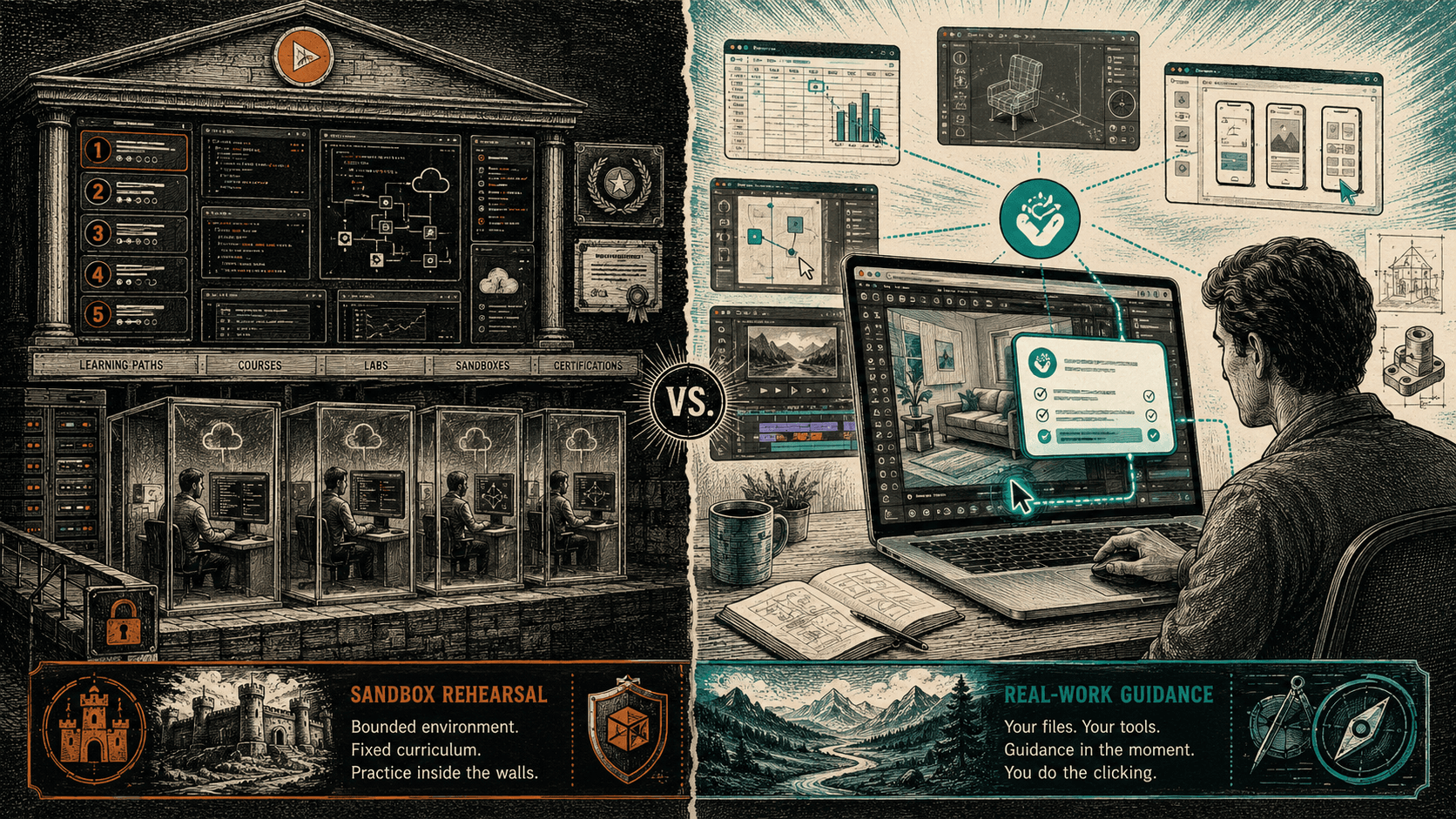
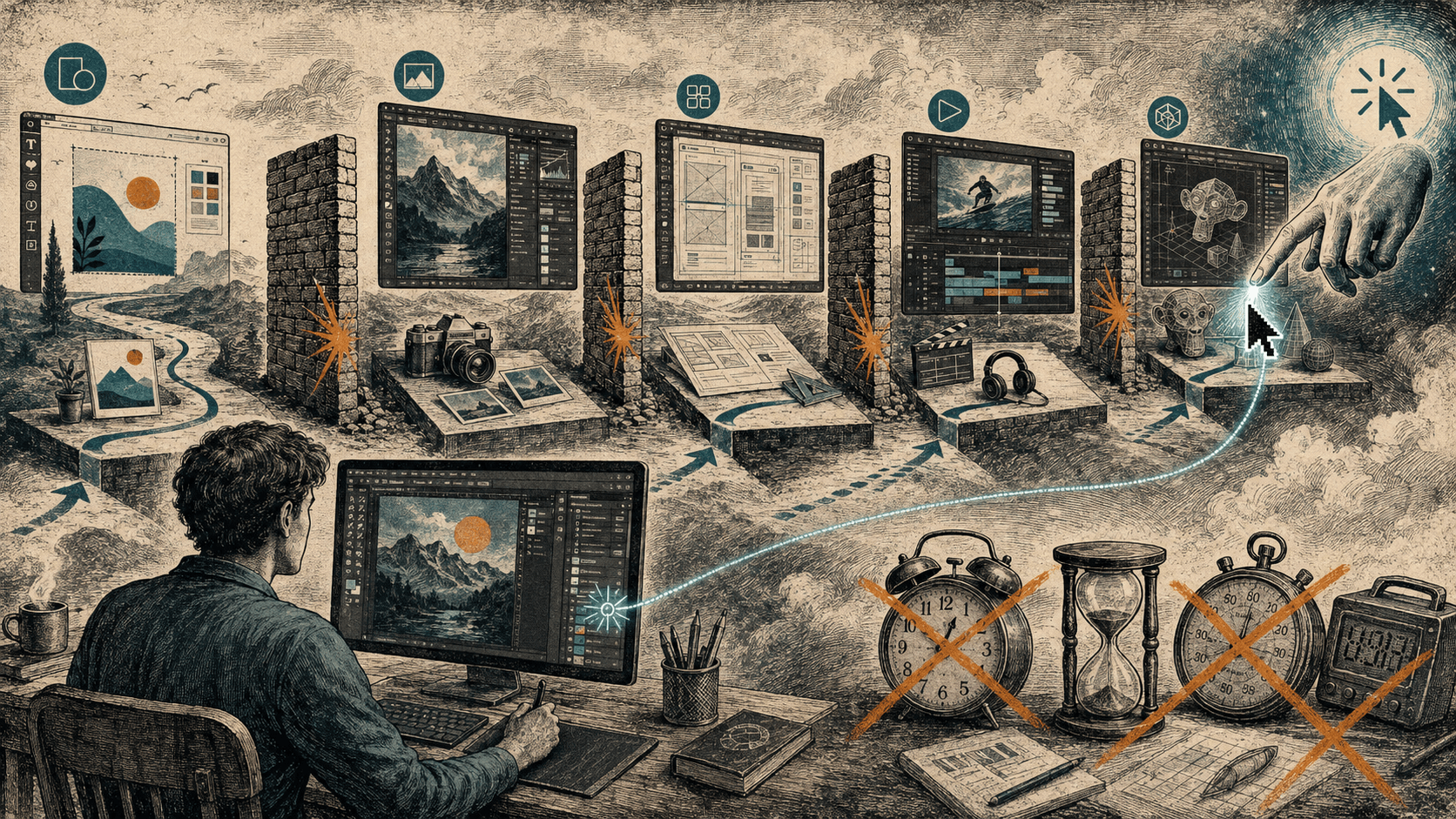
Here's the finding that surprised me, because it held across every app: people don't get stuck at the beginning. They get stuck after they can already make something, when they try to get from "I made a thing once" to "I can make this reliably." It goes by different names in different apps - tutorial hell, the sandbox trap, the mental-model shift - but it's the same wall, and it's app-independent.
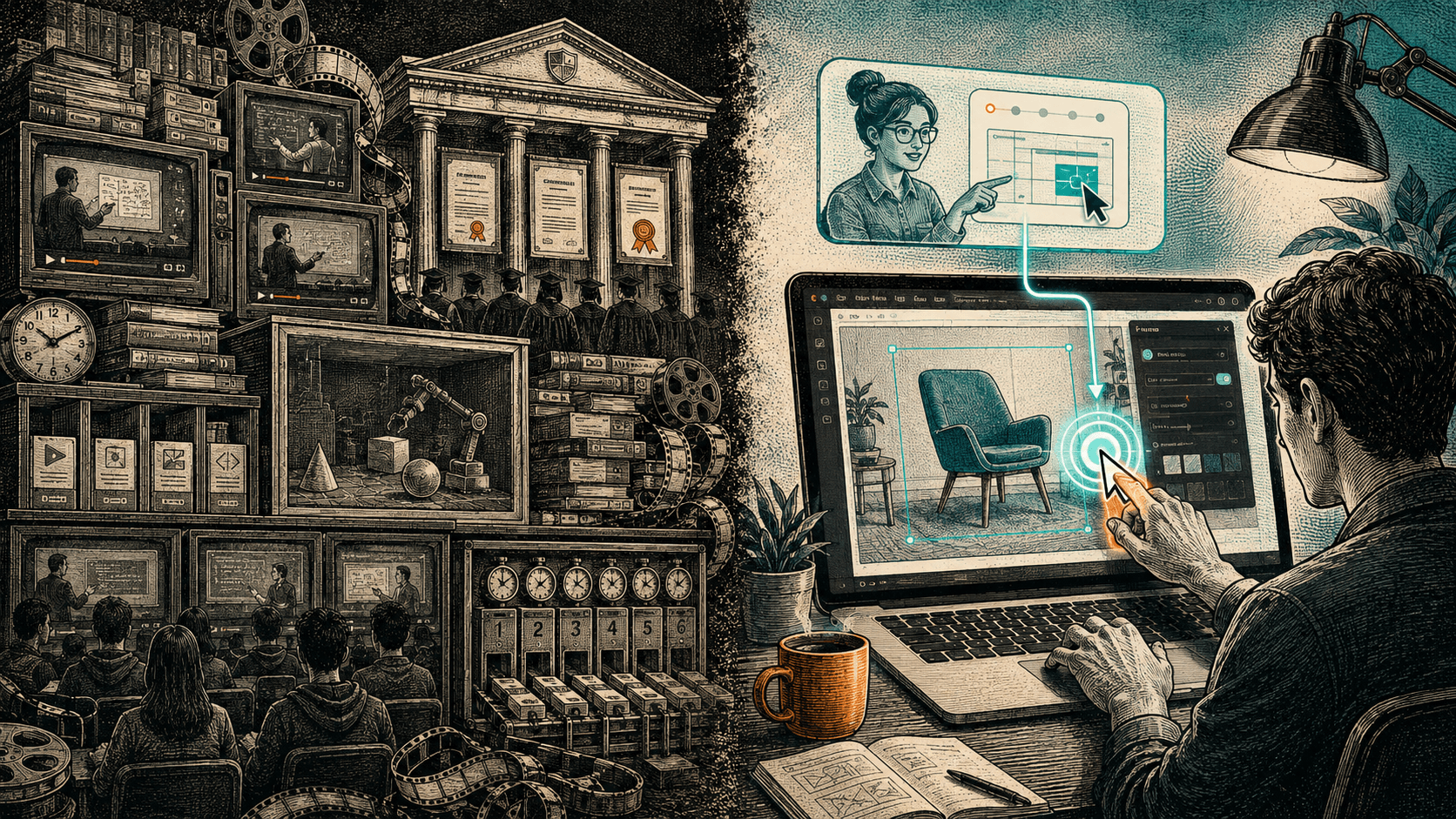
That wall is exactly where courses and tutorials leave you. They're good at the first stretch, the "here's the tool" part, and they end right where the hard part starts - because the hard part is specific to your file, and a recording can't be about your file.
the number that actually matters
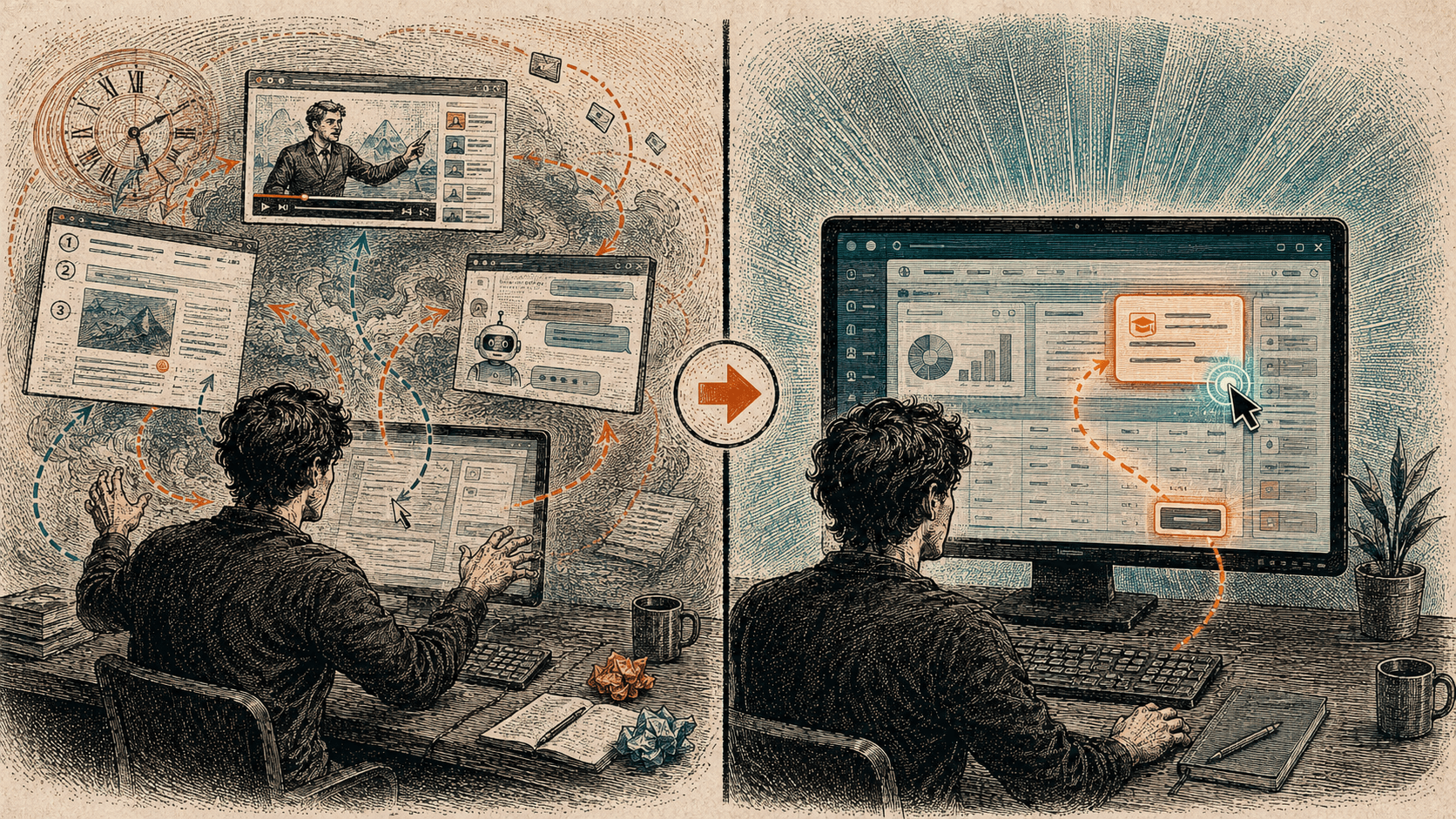
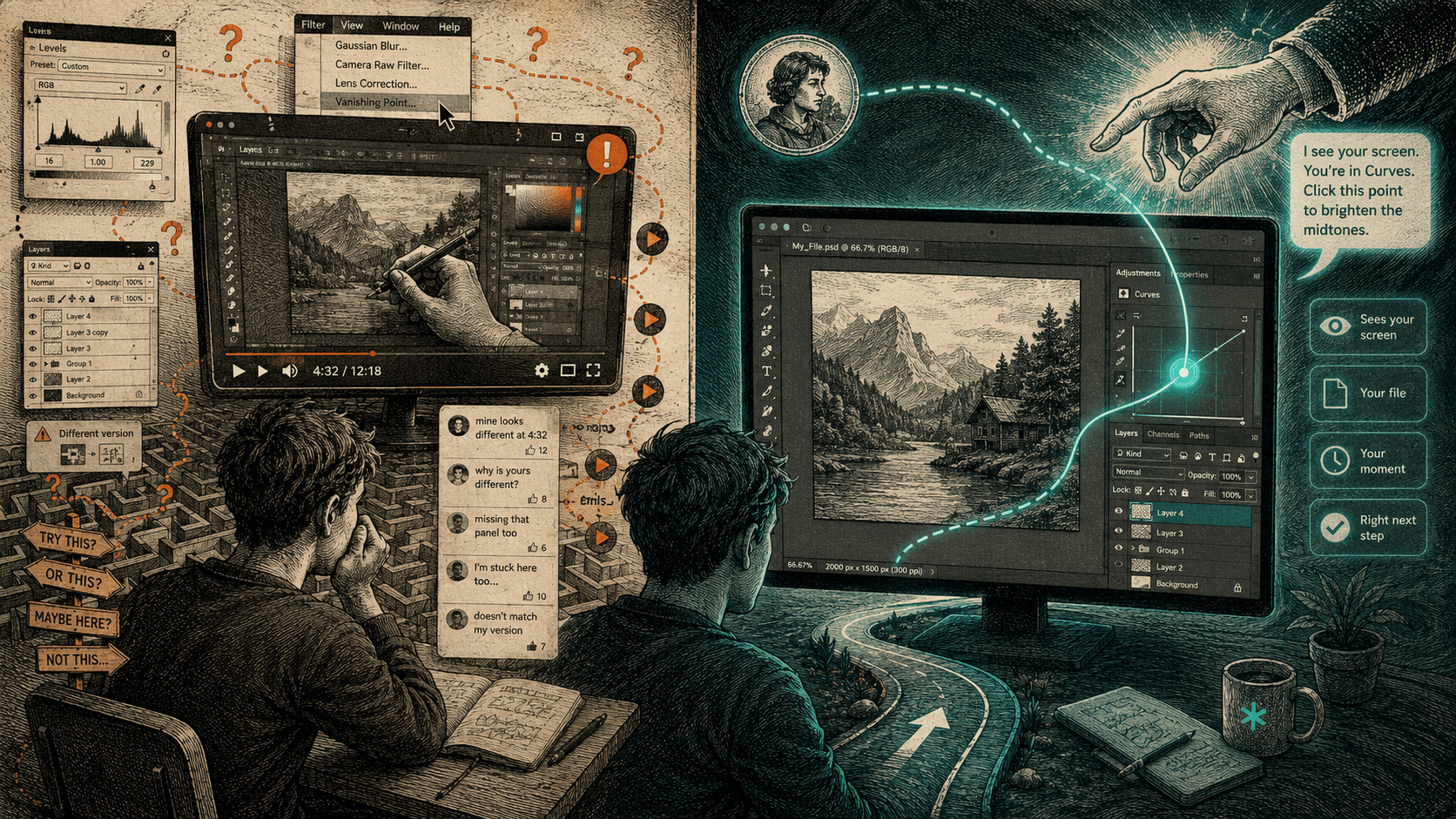
So the useful question isn't "how many hours." It's "how long will I stay stuck each time I hit a wall," because that's the number you actually feel, and it's the one that decides whether you keep going. Cut the time-stuck from thirty minutes to under a minute and the whole "time to learn" collapses - not because you learned faster in the abstract, but because you stopped quitting at the walls.
You don't learn an app in a number of hours. You learn it in a number of walls - and how fast you get over each one.
a number of walls, not a number of hours
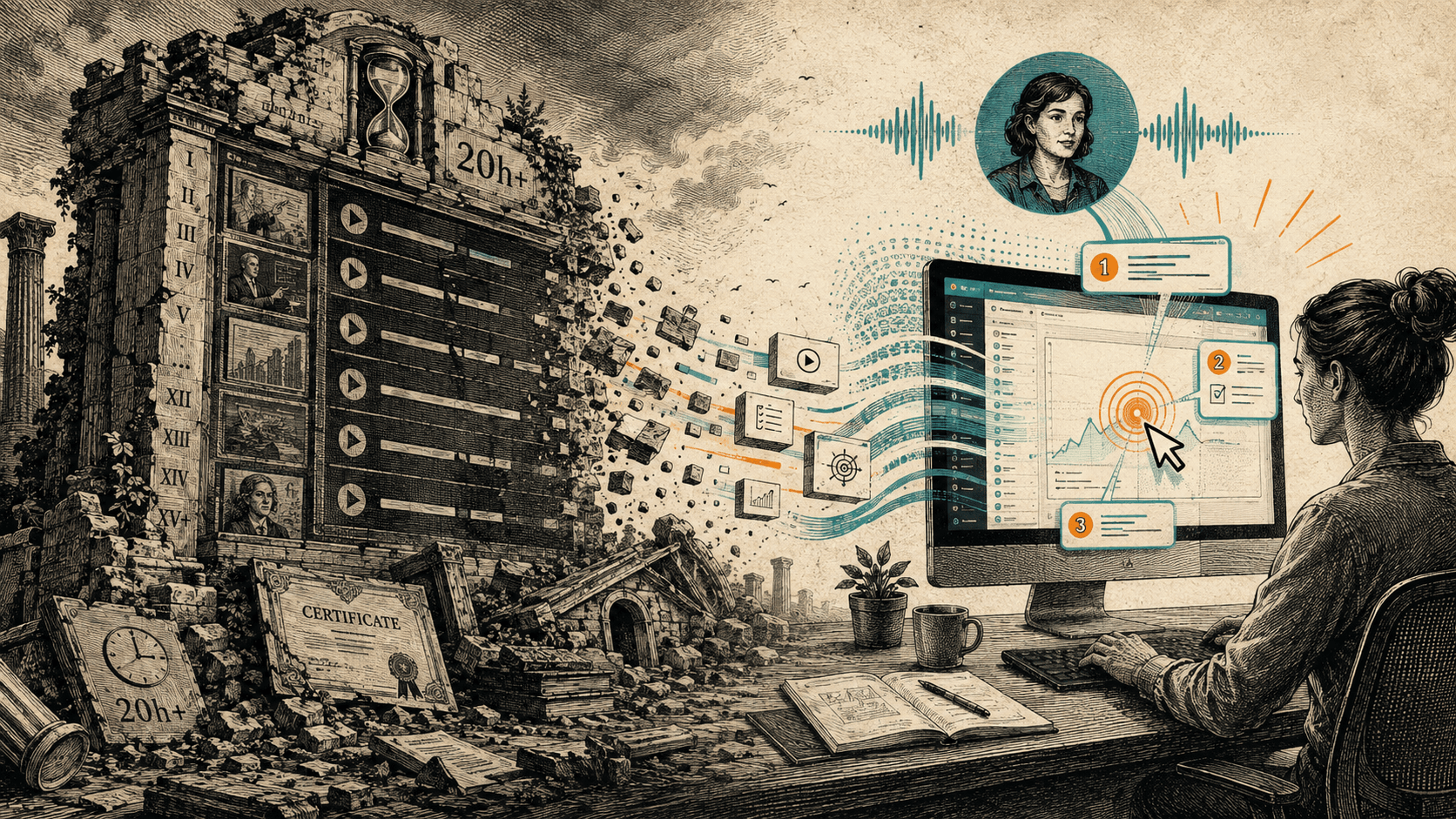
HeyBraza is aimed straight at the time-stuck number. It won't turn Blender's ten crafts into one, but it changes the thing that actually decides whether you get through them: whether help is there at the wall you're at, or twenty hours behind you in a video you already closed.
So when someone asks how long an app takes to learn, the honest answer was never a count of hours. It's the question turned around - when you hit the wall, how long until there's someone standing at it. Get that down to a minute and the hours stop being the thing that decides.
what to remember
- There's no honest "hours to learn" number; course lengths are packaging, and vendor cert times (~150 hours for Adobe apps) measure passing a test, not doing your own work.
- Rough ranges: Canva ~1 hour, Photoshop weeks-months, Figma 3-6 months, Premiere 3-6 months to competence, Blender 3-6 months basic and 1-2 years to master.
- Slow-to-learn apps are usually apps hiding many separate sub-skills (Blender's ten), not apps where one part is impossibly hard.
- Across every app, people get stuck at the same place: after they can make something, trying to make it repeatable.
- The number that matters is time-stuck per wall, not total hours - and that's what help-at-the-moment shortens.
questions people ask
How long does it take to learn Figma?
Most people get comfortable in three to six months of real use, and its one notable wall is auto layout. But "comfortable" depends on what you're doing and how often help reaches you when you're stuck - most Figma users are professionals from other jobs learning it part-time, not full-time students.
How long does it take to learn Photoshop?
Weeks to months to get around it; Adobe's own certification recommends about 150 hours of study, which is the time to pass a test rather than to do your own work confidently. Photoshop is broad but relatively shallow at the start compared with apps like Blender or Premiere.
How hard is Blender to learn?
Blender takes roughly three to six months for the basics and one to two years to master, with a hardware barrier on top. The reason isn't that any one part is impossibly hard - it's that Blender is really ten separate crafts (modelling, sculpting, shading, animation, and so on) with no set order to learn them in.
What's the fastest way to learn an app?
Shorten the time you stay stuck, not the hours you log. Across every app studied, people quit at the same wall - after they can make something, trying to make it repeatable - and courses end right before that wall. Help that reaches you at the moment you're stuck, on your own file, is what actually shortens the road.
How long does it take to learn Premiere Pro?
About three to six months to competence and a year or more to professional-level work; Adobe's certification recommends around 150 hours. Its specific walls are proxy workflows, Lumetri colour grading, and audio ducking - and it's the most crash-prone of the common creative apps, so some of the "learning" is really troubleshooting.
sources
// learn a specific app
 learn figma
 learn photoshop
 learn premiere pro
 learn blender
stop reading. go do something - guided, on your own screen.
try for FREE today