who gets the reps
the machine that does your work is the one getting good at it
by Timur Latipov · · 4 min read · updated
the short version
A skill goes to whoever does the work. When a machine does the reps, the machine gets the skill, and you stay where you started - slightly worse, since the part you knew goes soft from disuse.
That's a fine trade for work you'll never care about being good at, and a bad one for work your living is made of. As machines get good at everything, being able to do a thing yourself gets rarer, and rare is where worth comes from. The AI worth using over a whole life is the one that makes you better at your work, not the one that takes it.
A skill goes to whoever does the work.
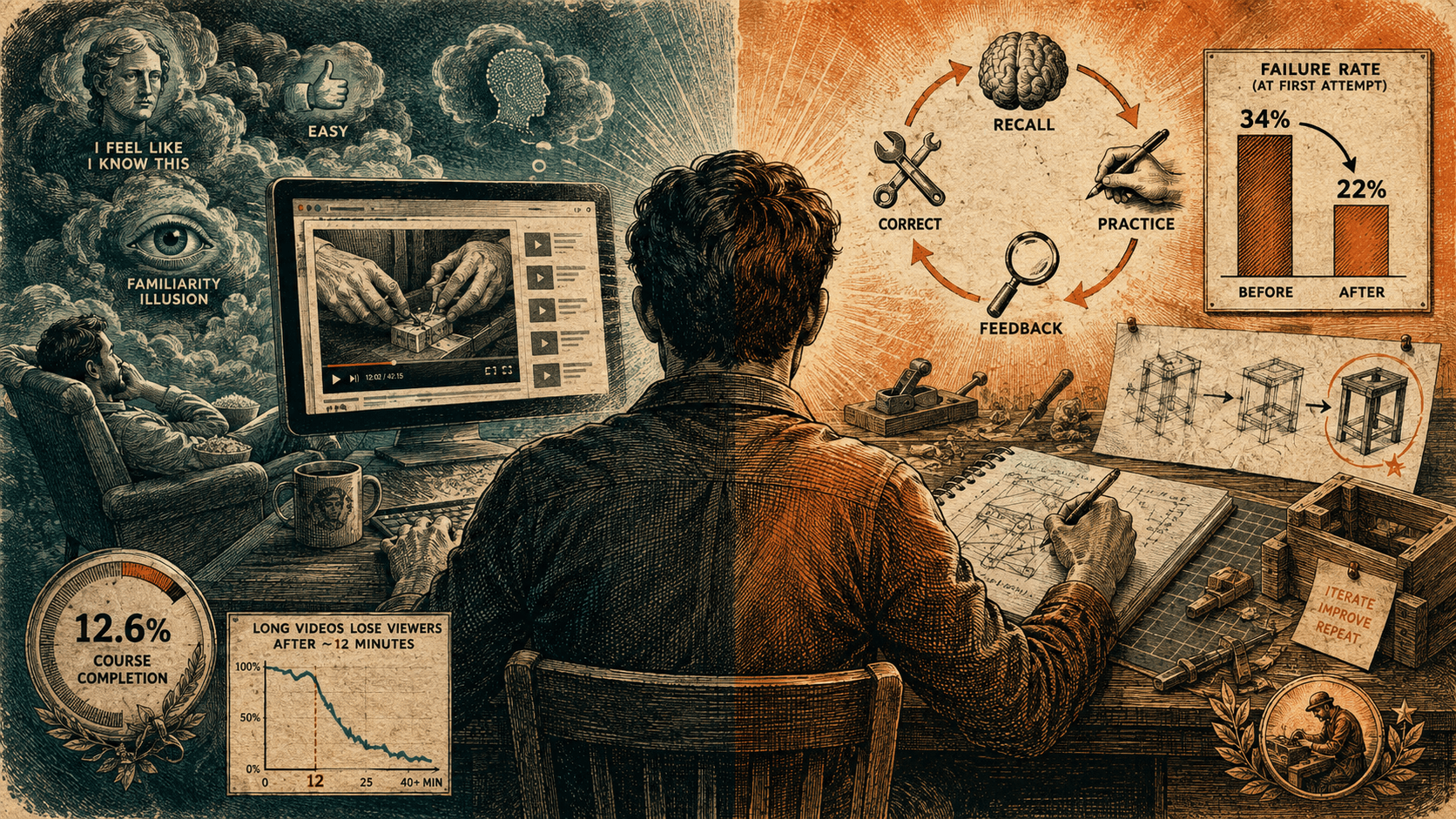
Write a hundred emails and you get better at writing emails. Edit a hundred videos and your hands start to know where the cuts go. Nobody finds this strange. It's how everything is learned - you do the thing badly, over and over, until one day it isn't bad. The reps go somewhere. They go into you.
But they don't have to go into you. That's the part we're only now finding out.
when the machine does the reps, the machine gets the skill
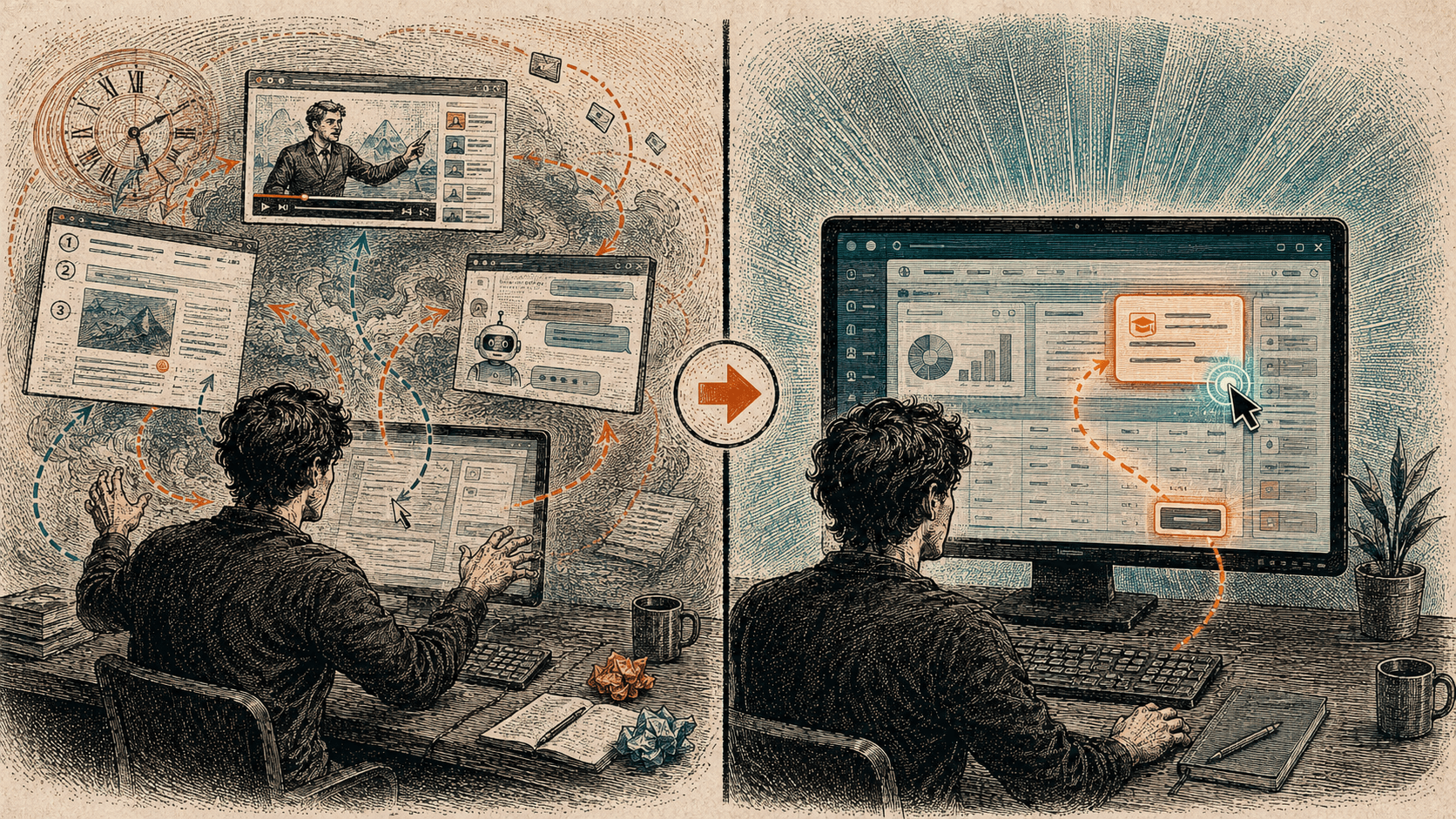
Every AI product I can think of offers to do the task for you. Write the email. Edit the video. Build the deck. Fix the bug. Point it at the thing you didn't want to do, and it does it, and it's good, and you get your afternoon back. I'm not being sarcastic. This is useful. The first time it happens it feels like a small miracle.
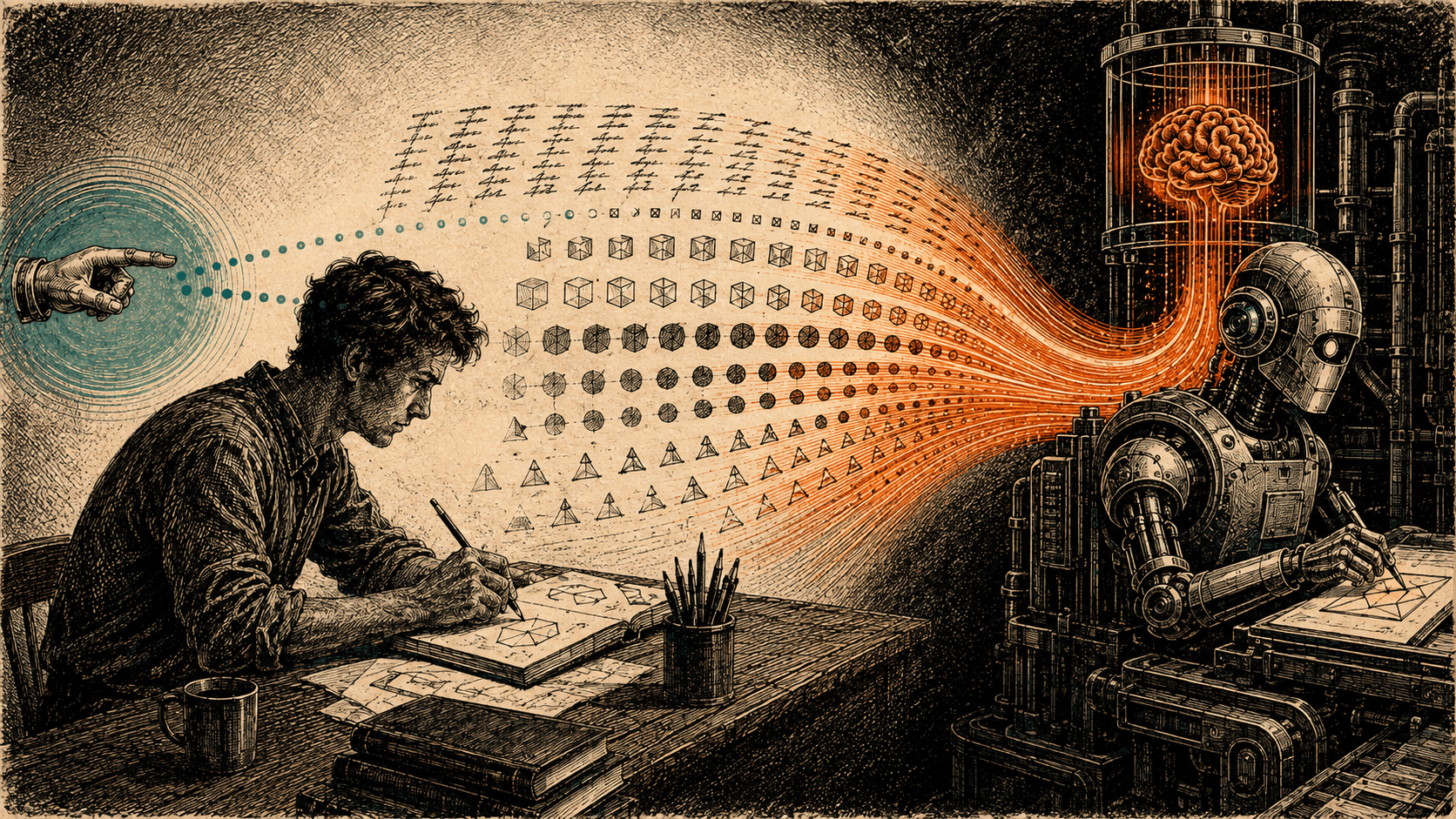
Here's the part that isn't on the box. When the machine does the reps, the machine gets the skill. Not you.
Every email it writes for you is an email you didn't learn to write.
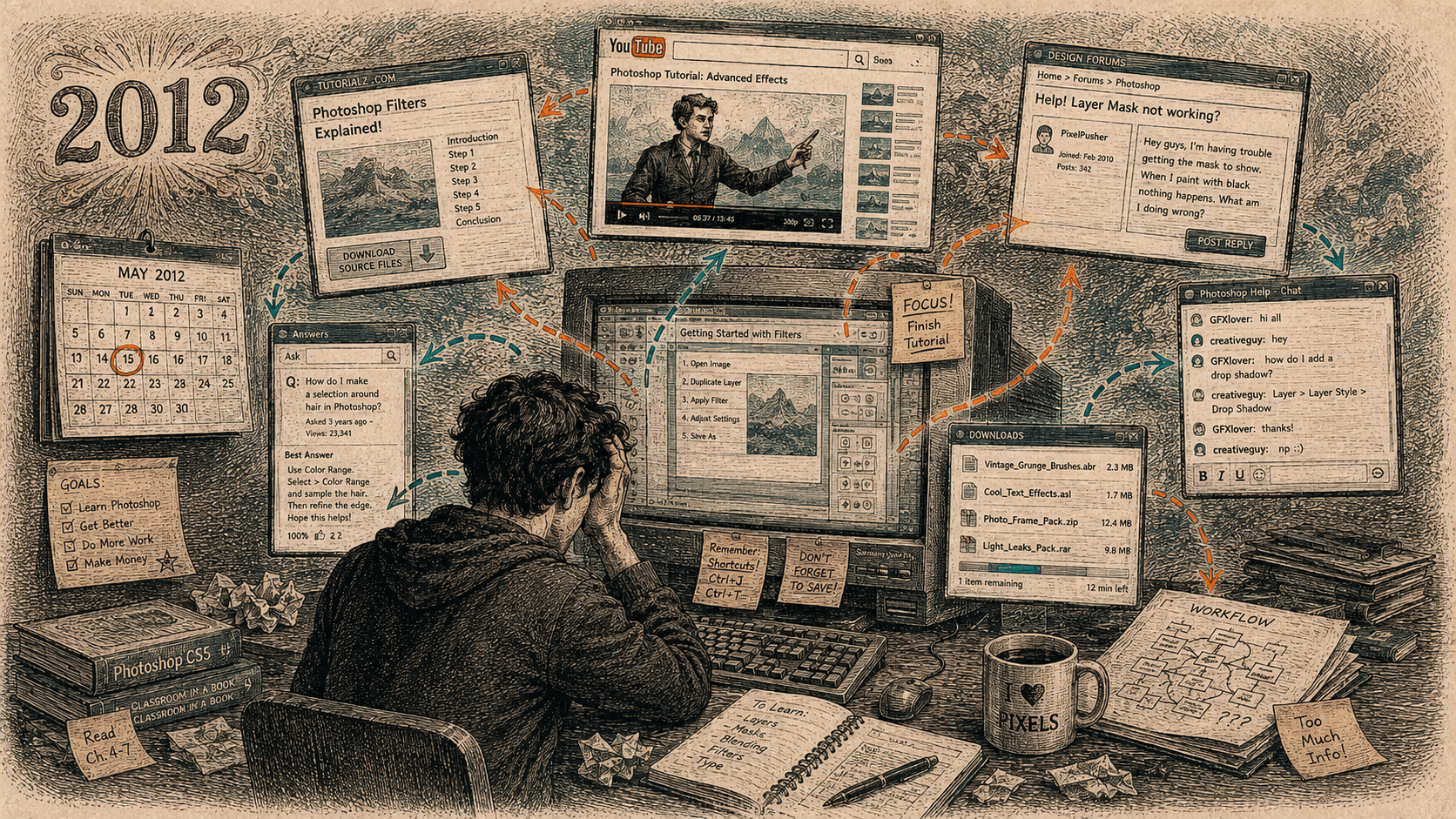
Do this for a year and the machine is a year better while you're exactly where you started. A little worse, really, since the bit you knew has gone soft from not being used.
We've already seen a smaller version of this. Most people who use GPS every day never learn the city they live in. They'll drive a route twenty times and still can't do it without the phone. The route never went into them. It went into the machine. That was fine when it was only directions. Now the same deal is on offer for everything at once - your writing, your judgment, your craft.
what's worth handing off
Be fair to the other side, though. Half the time you don't want to learn the thing. Not everything is worth becoming good at, and the honest split is simpler than it sounds:
- Hand off what you'll never care about being good at - formatting the receipt, renaming the files, cleaning the export.
- Keep the work your job, your taste, or your reputation is actually made of.
Handing off what you'll never care about is one of the best things a machine can do for you. The point was never do it all yourself. It's to notice which things you'd actually mind losing - and not give those away without meaning to.
Because that's how it goes. Nobody decides to get worse at their own craft. It happens one convenient afternoon at a time.
why doing it yourself gets more valuable, not less
You'd think that as machines get good at everything, being able to do things yourself would matter less. It's the reverse. When most people can't do a thing without the machine, the few who still can are suddenly rare - and rare is the whole game. Worth has never come from what everyone can do. It comes from what most people can't.
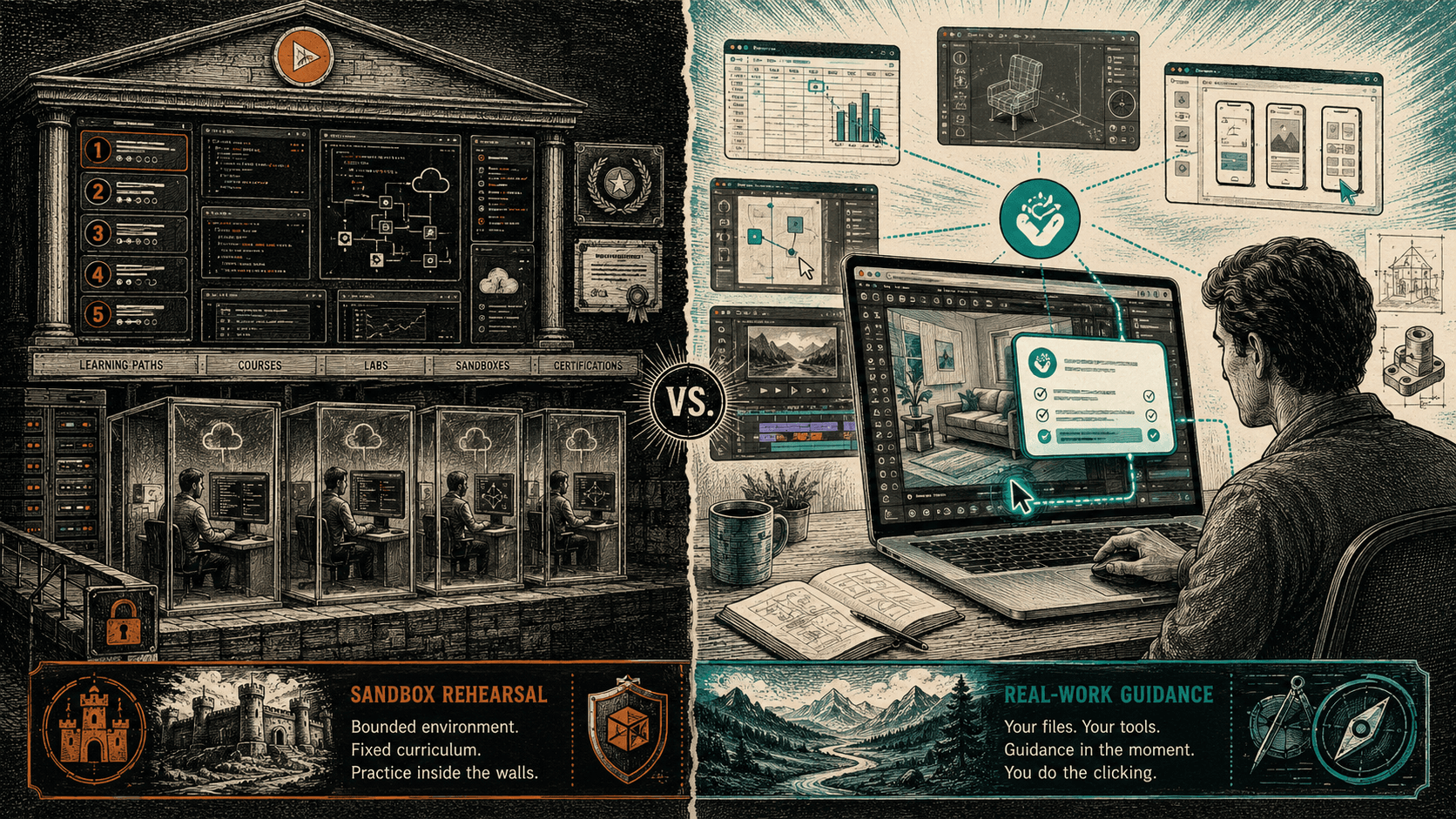
So the most valuable kind of AI, measured across a whole life, isn't the one that does your work. It's the one that makes you better at it. Those are two different products. Almost everyone is building the first, because the first is easier to sell. "I'll do it for you" is an easy promise. "I'll make you into someone who can" asks something of you.
something is always getting better
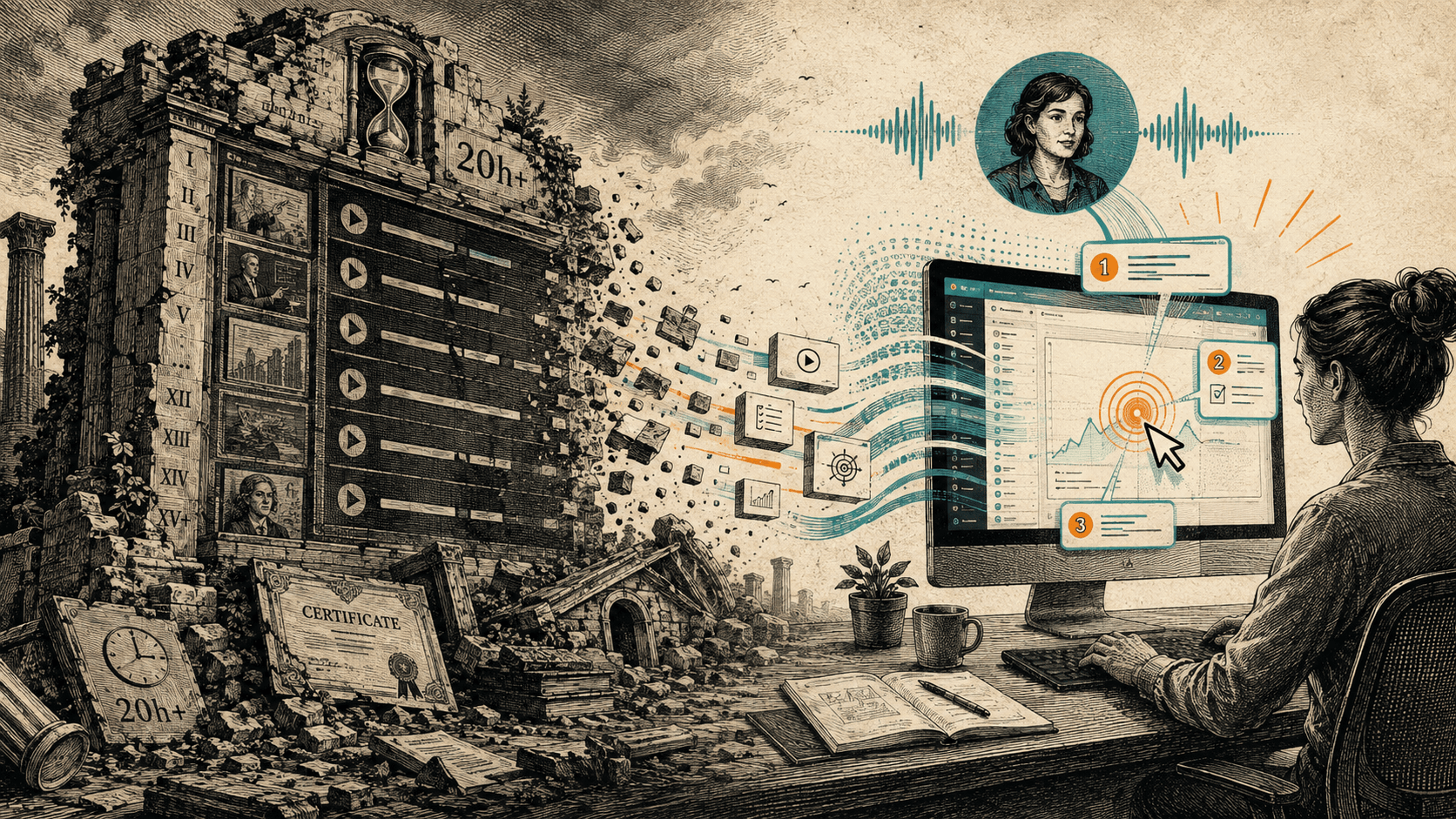
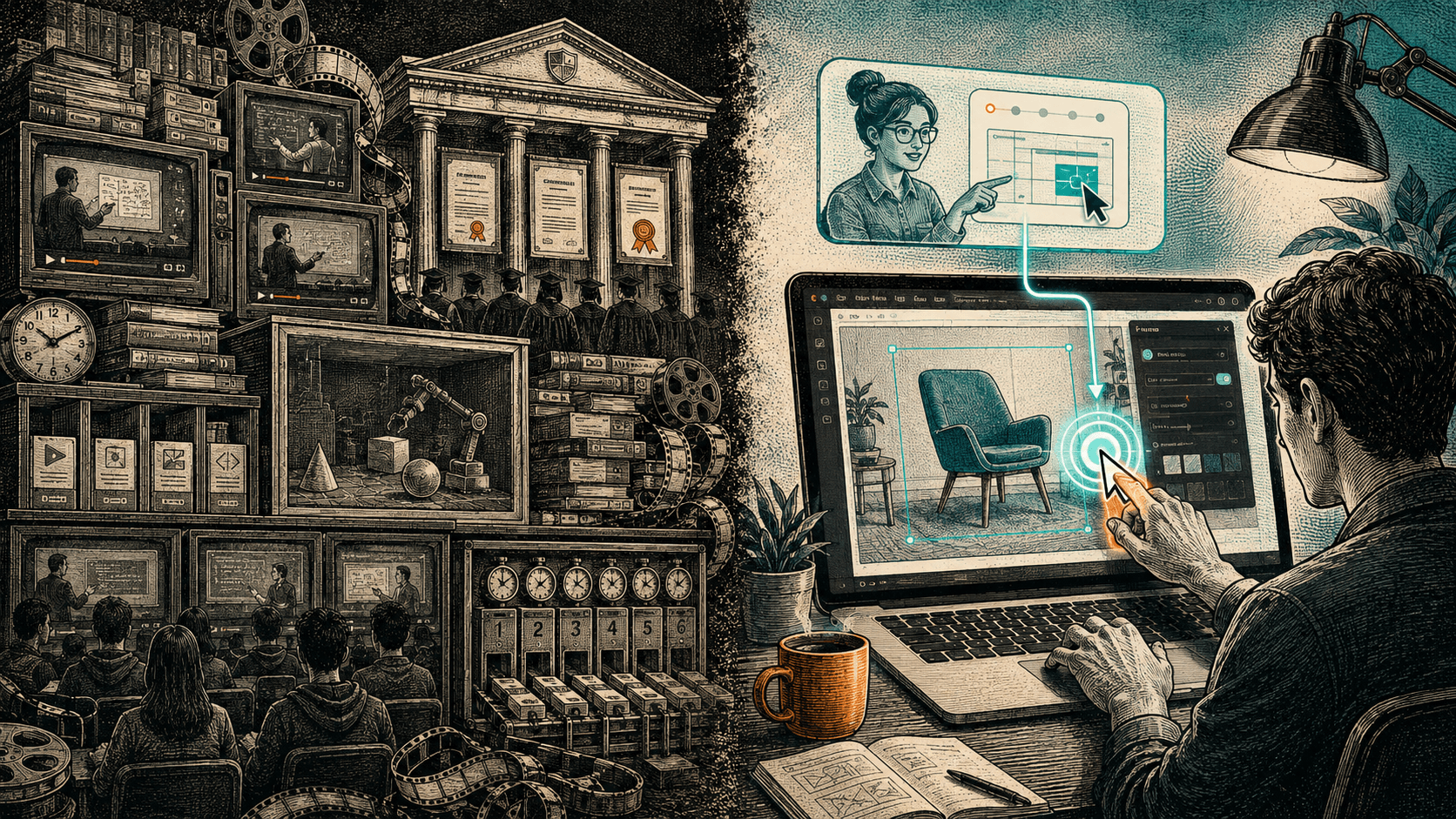
The catch is that doing it yourself, alone and stuck, is exactly how people quit. Under ten percent of people who start an online course finish it. A course costs a hundred dollars and twenty hours, and it wants all of that from you before you touch the thing you came to do. So the skill that only comes from doing it yourself is guarded by the one thing that makes people stop.
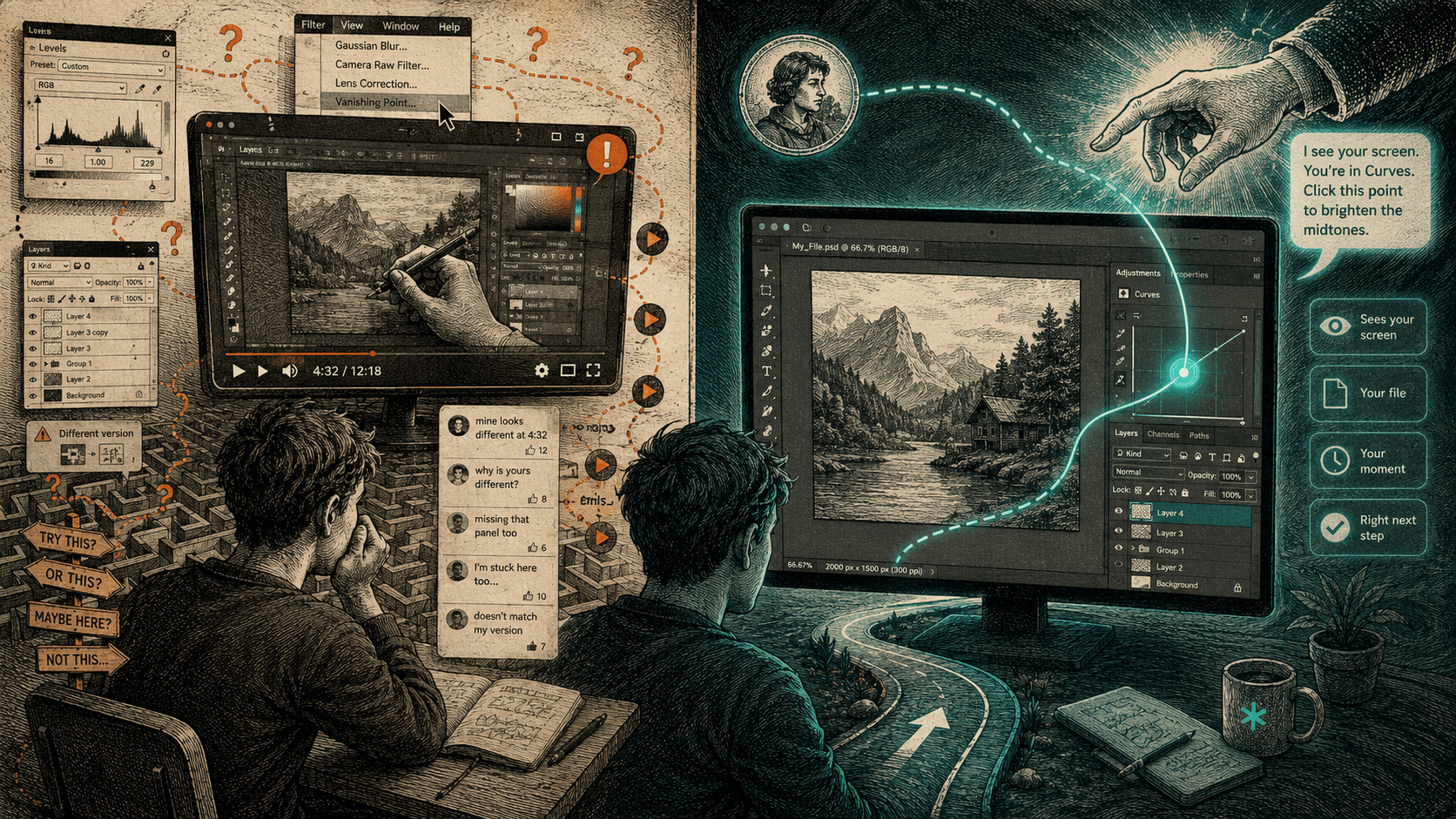
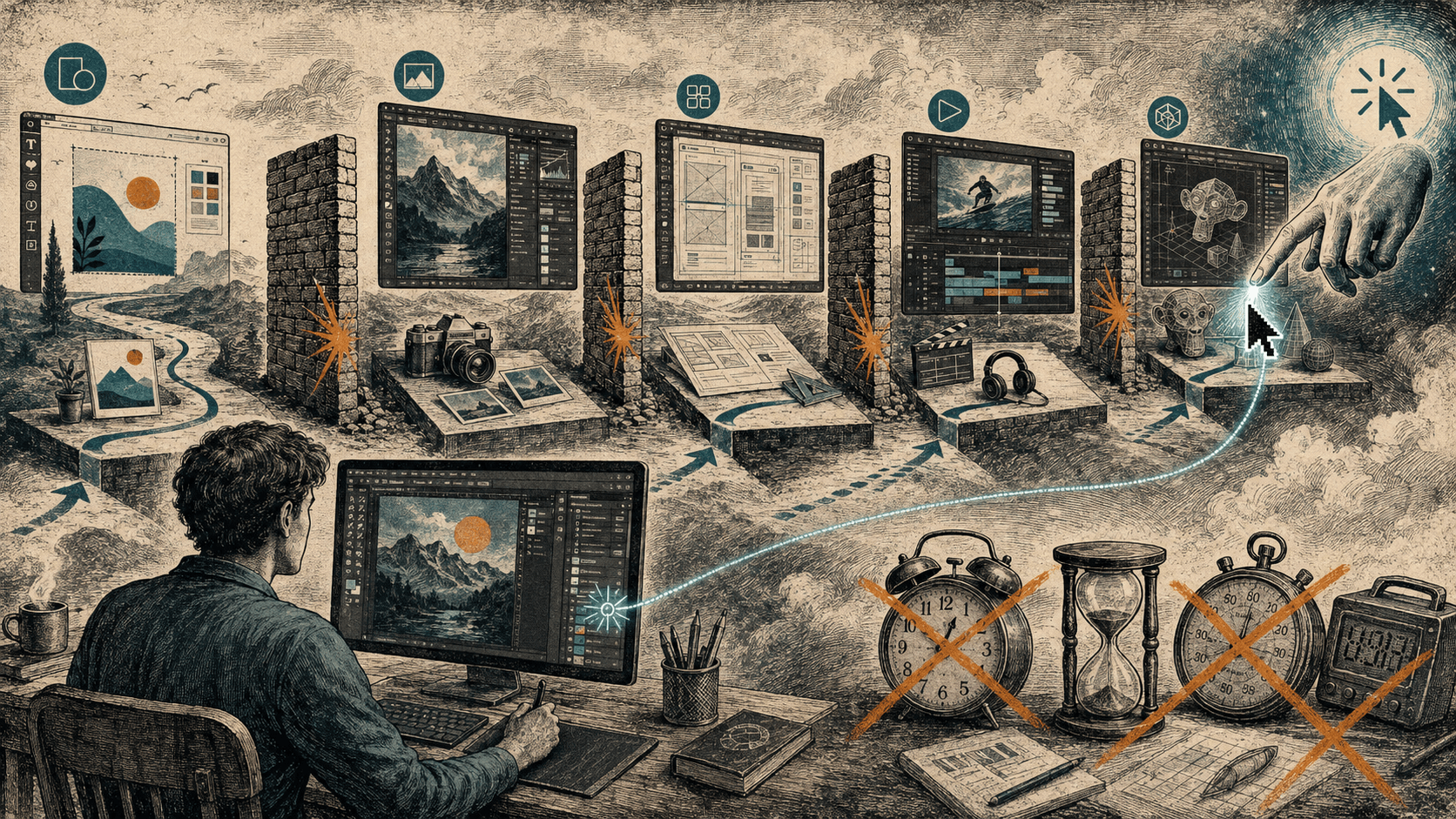
What you want is someone at your shoulder the moment you're stuck - not taking over, just pointing. That button. Now this one. You did the real work; the skill stayed yours. That's what HeyBraza is for, and it's why it points at your screen instead of grabbing the mouse. But you don't need it to believe the older thing underneath, which is true with or without any software: the reps go into whoever does them.
So do the ones that matter. Something is always getting better at your work. In a world where the machine can do anything, the rare thing is a person who still knows how.
what to remember
- The skill goes to whoever does the reps - and it can be the machine instead of you.
- A year of delegating leaves the machine a year better and you slightly worse.
- GPS is the small version: twenty trips, no route learned.
- Hand off what you'll never care about; keep what your living is made of.
- As machines get good at everything, still being able to do it yourself is what's rare - and rare is where worth comes from.
questions people ask
Does using AI make you worse at your job?
It can, quietly. Skills are built from reps, so when the machine does the reps it gains what you would have gained, and the part you already knew goes soft from disuse. Nobody decides to get worse at their craft; it happens one convenient afternoon at a time.
What's the difference between AI that does your work and AI that teaches you?
One takes the task and gives you the afternoon back; the other keeps you doing the task and corrects you while you do it. The first is easier to sell, but only the second leaves you with the skill. "I'll do it for you" is an easy promise; "I'll make you into someone who can" asks something of you.
Should I stop delegating work to AI entirely?
No. Plenty of work isn't worth becoming good at - formatting receipts, renaming files, cleaning up an export. Hand those off freely. The thing to watch is the work your job, taste, or reputation is made of, which is easy to give away without meaning to.
Why would doing things yourself become more valuable as AI improves?
Worth comes from what most people can't do. When almost everyone needs the machine to do a thing, the few who can do it without one become rare, and rare is the whole game.
How does HeyBraza keep the skill with the user?
It points instead of taking over. You hold a key, ask out loud in the app you're using, and it shows you the next step on your own screen - so you make the clicks, do the real work, and keep the reps.
sources
// learn a specific app
 learn framer
 learn canva
 learn figma
 learn premiere pro
stop reading. go do something - guided, on your own screen.
try for FREE today