how to learn Motion Graphics
learn motion graphics by animating your own project in after effects (or capcut for quick motion). HeyBraza points at the exact keyframe or tool on your screen while you do it, so you learn the move by making something that actually moves.
what motion graphics actually is
motion graphics is design that moves over time. a logo that snaps in, a lower third that slides under a name, a bar chart that grows on the beat, a title that stays locked to a moving head. the raw material is layers, keyframes and time - you set a value at frame 0, another at frame 24, and the software fills the gap between them. everything after that is controlling how that gap gets filled.
a working output is short: five to fifteen seconds, exported as an h.264 mp4 or a .mov with an alpha channel, sized for wherever it lands. the skill being trained is not menu trivia. it is timing and easing - knowing linear keyframes look robotic, that easy ease plus a dragged bezier handle is what makes a move feel deliberate, and that motion blur sells speed the eye cannot otherwise read.
learn it in these apps
 learn after effects
 learn capcut
which app to animate in
the tutorials sit in after effects and capcut, but keyframes, easing and mattes behave the same in any timeline you open next.
- after effects - pick after effects when the shot needs things stacked: precomps, track mattes, wiggle expressions, and a render queue that can output a transparent-background .mov for someone else's edit. it costs a subscription and previews slowly on a weak machine, but nothing gives you this much control over a single keyframe.
- capcut - pick capcut when the piece goes straight to a phone screen and it needs to be done today. free on desktop, keyframes on position, scale and opacity, plus auto captions and beat sync that take two clicks. no mattes, no expressions, no alpha export - the moment you need those, move up.
your first week of moving things
- day one: a three-second logo pop. two position keyframes, two scale keyframes, then select all four and apply easy ease so it stops reading like a robot.
- day two: a lower third. wipe a bar in, precompose the bar and the name together, then reuse that one comp for three different names.
- day three: put text behind a moving object with a track matte, and fix the usual case where the matte layer stays visible instead of cutting.
- day four: add a wiggle expression to a null for camera shake, turn motion blur on, and compare the render against the same move without it.
- day five: export twice - an mp4 through media encoder, and a .mov carrying an alpha channel - then drop the alpha version onto a capcut timeline.
what wrecks a first animation
- linear keyframes everywhere. real motion accelerates and settles. select every keyframe, apply easy ease, then open the graph editor and drag the handles until the curve leans the way the object should feel.
- animating every property on the same frame. a move reads better when scale lands slightly after position. offset the keyframes by three or four frames instead of stacking them in one column.
- hunting for h.264 in the render queue and panicking when it is missing. that codec lives in media encoder now, so send the comp there for a quick mp4 rather than fighting the queue.
- exporting mp4 and wondering where the transparency went. mp4 carries no alpha. render a .mov with rgb+alpha if the piece has to sit over footage someone else is cutting.
- blaming the software for stuttering preview. drop preview resolution to half, let the ram cache fill, and check whether motion blur or one heavy blur effect is what actually killed real-time playback.
hands-on fixes to start with
learning it while the timeline is open
a course shows you someone else's comp on someone else's machine. HeyBraza works in the project you already have open. hold the push-to-talk key, say "why does this move look stiff", and it takes one screenshot right then, reads your timeline, and a teal companion lands on easy ease in the keyframe assistant menu. you click it yourself. it points, it does not tell - the step stays yours, which is the only reason it sticks next time.
the alternative is dragging a youtube scrubber back forty seconds because you missed which panel the presenter had open. here you ask in plain words, in any of 33+ languages, and the reply comes by voice while your hands stay on the keyboard. it is also not an after effects feature - open premiere, resolve or an editor nobody wrote a course about and the same key does the same job. the free tier is enough to test that claim; HeyBraza Plus runs $10 a month.
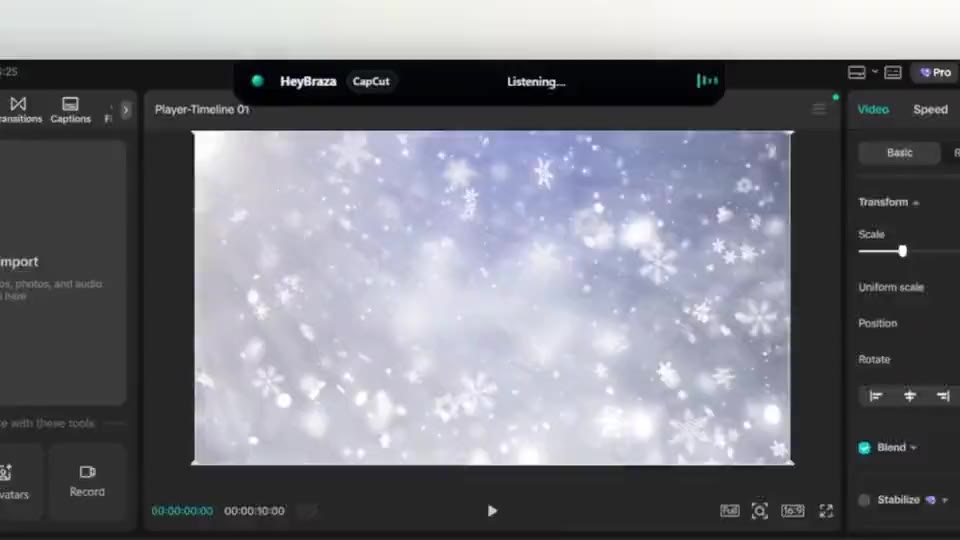
let HeyBraza do this with you
HeyBraza teaches you software while you're using it. hold a key and ask out loud - an ai tutor that sees your screen walks you through every step in real time, pointing and highlighting on your real work, talking you through it as it goes - not someone else's tutorial.
download